
CoolSculpting Fat Freezing Results
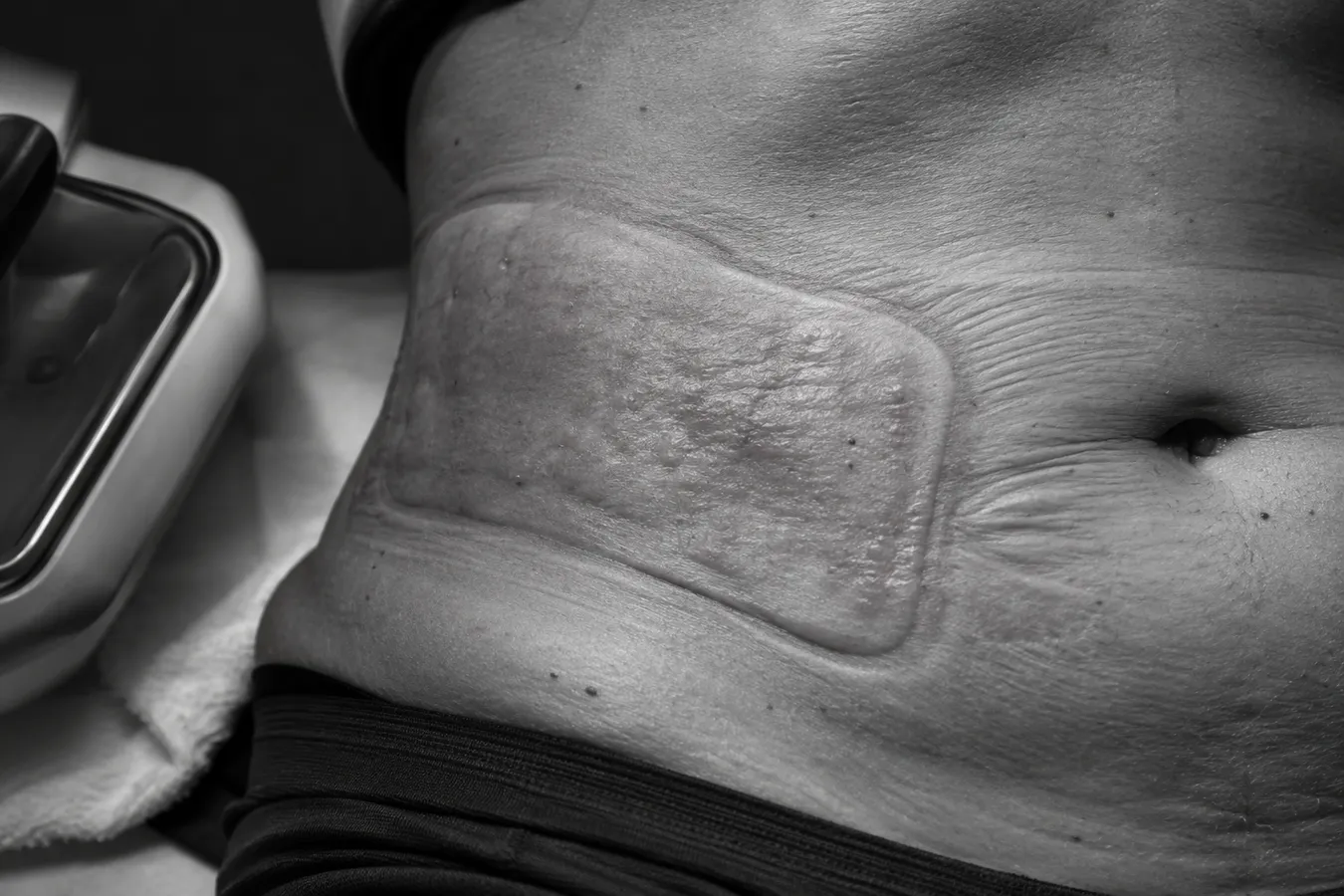
CoolSculpting is marketed through before-and-after photos and short result claims. Rather than repeat those claims, this article shows how to read them, what evidence would support them, and what to ask before paying for a first session.
Our method is to read peer-reviewed studies and systematic reviews before judging any claimed benefit. Applied to CoolSculpting, that method raises the questions listed below. It does not produce a verdict on the treatment.
Why a gallery photo proves little
Treat a headline result as a possible best case until the clinic shows the full range. A photo shows one person at one angle on one day. It cannot show how many people were treated, how many were left out of the gallery, or what else changed between the two pictures.
Gaps a before-and-after pair leaves open
- Whether the lighting, posture and camera distance matched in both shots.
- Whether the person also changed their diet, exercise or weight during that period.
- How long after treatment the second photo was taken.
- Whether the person pictured is typical or the best result the clinic has.
What a stronger source reports
A peer-reviewed study states how many people were enrolled, how results were measured, how long they were followed and who paid for the work. A systematic review pools several studies and says how reliable the pooled result is. Both are slower to read than a clinic page, which is the point. A pooled analysis of a different treatment shows the format: this systematic review and meta-analysis comparing tirzepatide with semaglutide for weight loss. We cite it for its structure, not as a statement about CoolSculpting.
The numbers hidden inside results language
Results language is where marketing and evidence part ways. Words such as "up to", "average" and "visible" each hide a number you should ask to see.
What a fat-freezing clinic's data should show
- What is the measured result, and how was it measured? Ask whether a tape measure, calipers or imaging was used.
- How long after treatment was it measured?
- What is the range of results, not only the best one?
- How many sessions did the people in that data have?
- Which published studies support the claim, and who funded them?
Expectations set by checked data
Expectations should come from data you have checked, not from a consultation room. If a provider cannot point to a study, a measurement method or a range of outcomes, treat the promised result as unproven.
Whether fat freezing suits your body
That is a medical judgment, made by the clinician who examines you. Take the five questions above to that appointment and keep a note of each reply.
Result-led treatments beyond fat freezing
Any treatment sold on results deserves the same reading. A professional medical body's rundown of weight loss drug options covers a different topic from fat freezing. Read it for what it states and what it omits, then compare its tone with a clinic's sales page.
Three things to see before any CoolSculpting claim counts
Treat any CoolSculpting result claim as a question until you have seen the study, the measurement method and the range of outcomes behind it. Ask for all three on paper, read them before the first session, and talk through your own case in person with a clinician.